 লেখাপড়া বিডি বাংলাদেশের প্রথম শিক্ষা বিষয়ক বাংলা কমিউনিটি ব্লগ
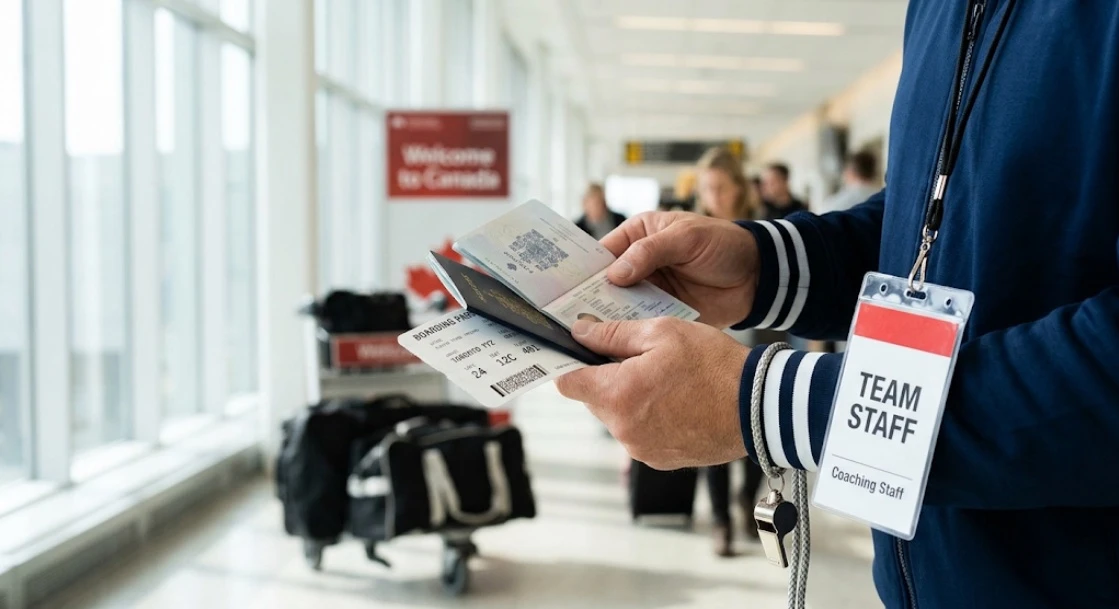
Canada brings in foreign talent for sport every year, and not only players. Coaches, trainers, team managers and support staff cross the border too. Their paperwork is not the same, and mixing up the two routes is an easy way to lose weeks.
Start with one question. Are you going to Canada for a competition, or to take a job with a Canadian team? The answer decides almost everything else.
Many people who want a career in sport started as fans. They follow fixtures, read lineups and check prices on an online betting site before a big match. That habit of watching closely is a real head start for analysis or coaching. Immigration officers do not judge it, though. They look at your role and at who employs you.
Route one: you travel for an event
Foreign athletes can take part in sports events in Canada without a work permit. So can their coaches and trainers. This covers members of foreign-based teams and of Canadian amateur teams.
The exemption also reaches other essential people around the team. A team manager, an assistant coach, an equipment manager. The officer asks one thing here: can the team perform properly without this person? A physio who travels with the national squad fits. A friend who joins the trip does not.
Analysts sit in a grey area. A performance or video analyst may qualify if the team really depends on that work. Be ready to explain the job in writing.
Remember what the exemption is. It covers the event. It is not a way to stay on and work.
No permit does not mean no paperwork. Depending on your passport, you may still need a visitor visa or an eTA before you fly. Check that first.
Route two: you take a job with a Canadian team
The second route is a different story. Paid coaches and trainers, and professional or semi-professional athletes, who work for a Canadian-based team need a work permit. A short event exemption will not cover a season-long contract.
The permit is usually employer-specific. It names your employer and your position. Change clubs and you apply again. Many roles in this category skip the LMIA, the labour market test that slows down most Canadian work permits. Reciprocity also plays a part: Canada may issue the permit if Canadians could do similar work in your home country. Your sport and your country matter here.
The order of steps is simple. The club submits its job offer first. After that, you apply for the permit online.
Two quick examples. A Bangladeshi coach invited to a youth tournament in Toronto is on route one. A physio signed by a Canadian club for the season is on route two.
Build a track record before you apply
Officers and employers want proof that you actually do this work. So start a record now.
Write a short preview before every match you follow. Open Khelibet before the match, read the form and team news, then put your own read in a few lines. Compare it with the result afterwards. Keep the notes. After a few months you have a small portfolio, and that beats a CV line saying you are passionate about sport.
Add match footage you have analysed and any session plans you have written. Put it all in one folder you can send on request.
Spouses and officials
If you are a professional athlete moving to Canada, your spouse may get a work permit without an LMIA. Do not assume it. Ask for the current rules before you plan around it.
Officials follow their own rules. Referees and judges at an international amateur competition can generally work without a permit. Referees at professional competitions usually need an LMIA and a permit.
What to keep ready
Documents vary by route and by officer, so treat this as a starting kit:
- An invitation letter from the event organiser or the team
- Proof of your role, such as a contract, a federation letter or accreditation
- Coaching or training certificates
- Reference letters from past clubs
- Proof that you can pay for your stay
Rules change. Read the current IRCC pages for your category before you pay anyone, and be wary of agents who promise a guaranteed permit.